Soft Washing vs Pressure Washing: What’s Safest for Smithfield Homes?
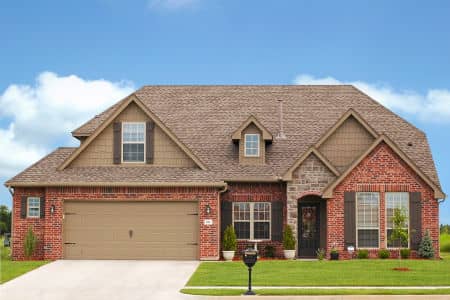
If you’re weighing soft washing vs pressure washing in Smithfield, you want a method that cleans well without risking damage. That’s exactly why homeowners across Johnston County trust Blue Line Power Washing LLC for careful, results-driven care. For a deeper look at safe siding care, see how our team handles house washing from prep to final rinse.
Smithfield sits along the Neuse River, which means humid summers, spring pollen, and plenty of shade from pines and hardwoods. That mix feeds algae and mildew on siding, trim, and roofs. The right cleaning approach protects finishes today and helps them stay clean longer, so you’re not battling the same stains when peak humidity rolls back in.
Comparing options and local providers? Start with a clear explanation of soft washing vs pressure washing in Smithfield, then choose the method that fits your home’s materials and exposure.
What Soft Washing And Pressure Washing Really Mean
Soft Washing, In Plain Language
Soft washing uses specialty detergents and low water pressure to lift and rinse away organic growth like algae, mildew, and grime. The chemistry does most of the work while the rinse is gentle on surfaces. It’s designed to protect delicate materials and areas where water intrusion is a concern.
Pressure Washing, The Right Way
Pressure washing uses higher pressure to remove stubborn buildup on hard surfaces that can handle force. Think concrete, brick pavers, and some masonry. On the right materials, it restores color and texture fast. On the wrong ones, it can cause damage.
Smithfield Weather And Siding: Why Method Matters
In Smithfield, NC, spring pollen sticks to textured vinyl and trim, and summer humidity helps green algae take off on the shaded, north-facing walls. Homes near tree cover or along low-lying streets can see faster growth cycles after afternoon storms. Using a gentle method that breaks down organic growth at the source helps the clean last longer between visits.
High pressure can force water behind overlapping siding and into window or trim gaps. Over time that moisture leads to warped panels, peeling paint, or interior leaks. When the goal is a safe, even clean, soft washing is the smarter approach for most home exteriors.
Where Each Method Fits: A Quick Guide
- Best for soft washing: vinyl siding, painted wood, fiber cement, stucco, and asphalt shingle roofs
- Best for pressure washing: concrete driveways, brick pavers, some masonry, and durable stonework
Not sure which category your surfaces fall into? A short walk-around with Blue Line Power Washing LLC clarifies material type, shade patterns, and runoff paths so the right plan is set from the start.
Is Soft Washing Really Safer For Vinyl Siding?
Yes, because it avoids the issues that show up with force. Vinyl is layered and vented to let moisture out. Pushing water in the wrong direction can trap it behind panels. Soft washing dissolves the algae and pollen, then rinses at low pressure that doesn’t compromise seams or weep holes.
Never use high pressure on vinyl siding or window seams. Even when the siding looks fine at first glance, hidden damage can show up weeks later as stains reappear or panels shift.
What About Brick, Stucco, And Painted Trim?
Brick and mortar joints benefit from controlled cleaning that won’t erode the sand in the joints. Stucco is porous and can scar if blasted. Painted trim can chip or peel if you lean on pressure to “strip” dirt. A soft wash plan balances dwell time and gentle rinsing so details and edges stay intact and the finish looks even from the street.
Roofs In Smithfield: Why Soft Wash Wins
Those dark roof streaks are organic growth that holds moisture and heats up in the sun. A gentle, controlled application removes it without lifting shingle granules or forcing water under tabs. That protects the roof’s lifespan and your curb appeal. When you’re ready to address staining overhead, take a look at our approach to soft wash roof cleaning and how it protects landscaping and gutters during the process.
Soft washing is the standard for asphalt shingle roofs in our climate. It clears growth safely and helps your roof reflect heat more consistently through long summer afternoons.
How Pros Protect Landscaping, Windows, And Walkways
Great exterior cleaning never treats your plants and fixtures like an afterthought. Before any spray hits the siding, pros pre-wet or shield sensitive shrubs, control runoff away from beds, and work with consistent spray patterns that avoid driving water at window edges or gable vents. The result is a brighter home with healthy landscaping and crystal-clear glass that hasn’t been hammered by force.
Signs Your Smithfield Home Needs A Gentle Wash
- Green or black film on shaded walls, especially the north side
- Yellow haze after spring pollen peaks
- Dark “tiger stripes” below gutters or trim
- Chalky residue on older vinyl that dulls the color
If these sound familiar, you’ll appreciate this quick read on the early indicators and local timing: signs your home is overdue for professional pressure washing. It explains how weather in Johnston County speeds buildup and why a gentle clean lasts.
House Washing In Smithfield: What To Expect From A Pro Visit
A quick walk-through sets the plan for your home’s materials and shade patterns. Fixtures and plants get protected, and delicate items are moved or covered. The soft wash solution is applied in measured passes so it can work evenly around siding profiles, soffits, and trim details. A low-pressure rinse follows to clear residue without driving water behind panels or into gaps. Edges get a final look so your home reads clean and uniform from the curb.
For a step-by-step view of how Blue Line Power Washing LLC restores siding safely and consistently, explore our house washing service overview, including preparation, solution control, and final rinsing.
How Method Choice Affects Curb Appeal And Maintenance
Choosing soft washing on siding helps finishes resist new growth because it targets what feeds algae and mildew. On hardscapes, the right level of pressure brings back the bright, even tone you remember. Put together, your home presents cleaner lines and truer colors, which can make landscaping pop and photos look better when it’s time to list or host a big weekend.
Too much pressure on the wrong surface creates problems that are expensive to hide later with paint or caulk. A careful method match prevents those headaches and keeps your maintenance plan predictable year to year.
So, Which Is Safest For Your Home?
Most Smithfield homes do best with soft washing on siding, trim, and shingles, and measured pressure on concrete and other tough surfaces. The fastest way to pick the right plan is to lean on a local team that knows our humidity cycles, shade patterns, and pollen timeline. With Blue Line Power Washing LLC, you get a material-specific approach that protects your investment and keeps your place looking fresh through the seasons.
Ready To Refresh Your Curb Appeal?
If you’re deciding between the two methods, talk with a local specialist who treats your home like their own. A short visit is usually all it takes to map out a safe, effective plan. Call 919-820-3351 to schedule or book online. You can also learn what’s included in our Smithfield service by visiting our detailed page on house washing and see how we protect siding, trim, and windows every step of the way.
See Excellence In Every Wash With Blue Line Power Washing In Smithfield & Surrounding Areas