What Are the Black Streaks on My Roof in Johnston County?
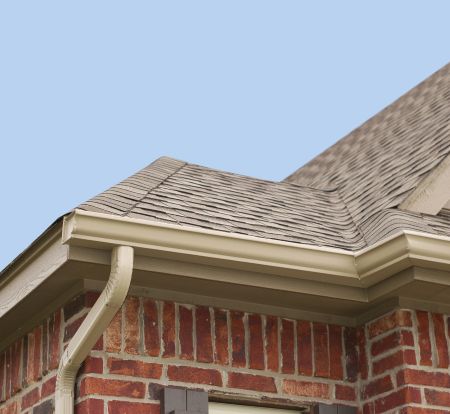
If you have noticed black streaks on roof in Johnston County, NC, you are not alone. Those dark lines are usually roof algae, not soot or simple dirt. The main culprit is a hardy cyanobacteria called gloeocapsa magma that thrives in our warm, humid climate. It sticks to shingles, feeds on limestone filler, and spreads downslope with rainwater, making long, shadow-like stains that drag down curb appeal.
Homeowners across Clayton, Smithfield, Benson, Selma, Four Oaks, and the Cleveland community see it most on north and shaded sides. The good news is that safe, professional roof cleaning can remove the stains and help slow their return without harming shingles or landscaping when handled the right way.
What Causes Black Streaks on Roofs in Johnston County, NC?
The streaks are living growth. As gloeocapsa magma settles on your shingles, it forms a dark protective layer to shield itself from the sun. The layer absorbs heat and makes the stains look worse, especially on lighter roofs. Granules on asphalt shingles can trap moisture and pollen, giving the algae a stable home. Over time, wind and runoff move the cells down the slope, creating those familiar drip-like lines.
Metal and tile roofs can show staining too, but asphalt shingles tend to be the most affected. Porous surfaces, shaded valleys, and areas near tall pines or oaks collect more dew and pollen, which helps the organism grow.
Why It Spreads Faster in Johnston County, NC
Our local weather patterns make conditions right for growth. Summers are warm and humid. Afternoon storms and overnight dew keep roof surfaces damp. In wooded neighborhoods or along creek corridors, shade lingers after sunrise. Roof areas that face north or sit under trees in places like Archer Lodge and West Smithfield stay cooler and wetter, so algae hangs on longer and reproduces faster.
Black streaks are living growth, not just dirt. In Johnston County’s humid season, leaving stains alone can make a roof run hotter and look older than it is. Ask a pro to inspect before the peak of summer so you can plan service in a cooler, safer window.
The Risks of Ignoring Roof Algae
Stains look bad, but they can also cause side effects. Dark streaks absorb more sunlight and may increase attic temperatures on sunny days. That extra heat can stress aging shingles. Algae holds moisture near the surface, which is not ideal for long-term shingle health.
- Hotter roof surfaces on clear summer afternoons can contribute to higher cooling loads.
- Persistent moisture on shaded areas can encourage moss or lichen to take hold later.
- Runoff from stained areas can streak gutters and siding, making cleaning harder.
Soft Wash Roof Treatment: The Safe Method
Roofs should not be blasted with high pressure. Never allow high pressure on asphalt shingles. A soft wash roof treatment uses low pressure with specialized solutions designed to target algae and rinse it away gently. The process removes stains while helping protect the shingle surface and surrounding plants when handled with care.
On most asphalt roofs, technicians apply a controlled, even coat, allow proper dwell time, and rinse with low pressure similar to a strong garden hose. For metal or tile, the approach is adapted so seams and coatings stay intact. Soft wash is the recommended approach for most shingle roofs because it is effective on the organism causing the stains without scouring granules.
- Low pressure helps preserve shingle granules and roof components.
- Targeted solutions focus on the algae that cause the black streaks.
- Stains lighten during treatment and continue to clear as the roof dries.
How Professional Roof Cleaning Protects Your Home
When you choose a local pressure washing specialist like Blue Line Power Washing LLC, you get trained eyes on your roof and the right tools for a safe clean. Technicians assess slope, shade, material, and runoff paths before any work begins. They work methodically from peak to eave so streaks lift evenly and rinsing is controlled.
With a professional approach, cleanup includes keeping vegetation wet before, during, and after application, managing downspouts, and minding walkways and porches. Protect landscaping and rinse thoroughly after treatment so flowers and shrubs stay healthy while your roof comes back to life.
How To Tell Algae From Dirt, Moss, or Lichen
Not every dark patch is the same. Here is a simple way to tell what you are seeing before you schedule service:
- Algae: thin black streaks running downward, most visible on shaded slopes; smears dark when wet.
- Dirt or soot: more uniform film near chimneys or busy roads; often rinses from metal but clings to shingles.
- Moss: bright green, fuzzy clumps that can lift shingles over time in damp, shaded spots.
- Lichen: flat, crusty gray-green patches that grip the surface tightly and need a careful, gentle approach.
What To Expect From a Roof Cleaning Visit in Johnston County
First comes a walkaround. The crew notes roof material, pitch, and areas of heavy streaking. They protect shrubs and grass with pre-wetting and coverings as needed. Then they apply a soft wash roof treatment with low pressure so the algae begins to break down. Rinsing is controlled, and runoff is directed safely away from plants and pathways. A final check confirms even results across valleys, ridges, and eaves.
Many homeowners plan service outside the hottest part of the day. Spring and fall often provide comfortable conditions with steady results. In summer, morning appointments can work well before surfaces heat up.
Seasonal Timing: When Johnston County Roofs Clean Best
Our area sees heavy pollen in spring and steamy afternoons in July and August. You can clean year-round, but timing around weather helps. After the spring pollen wave settles, a soft wash can lift both pollen film and algae stains in one visit. Late summer through early fall is another strong window, especially before leaf drop. Winter cleans are possible on milder days when temperatures and wind are cooperative.
Pair Roof Cleaning With Exterior Care
Streaks on the roof often come with siding film, mildew on trim, or streaked gutters. Tying services together can bring your whole exterior back to a like-new look. Ask about pairing roof service with gentle house washing so siding, soffits, and fascia match your refreshed roof.
Why Choose a Local Pressure Washing Pro
Local technicians understand how Johnston County weather, tree cover, and pollen cycles affect your home. That experience matters when choosing solutions, dwell time, and rinse strategy. It also means faster scheduling and better follow-up if you have questions later. Quality workmanship and a clear process help protect your roof, your yard, and your peace of mind long after the stains are gone.
Will the Streaks Come Back?
Because algae spores travel on wind and rain, no roof is immune forever. Shade, moisture, and organic dust help new growth return. Regular inspections and light maintenance cleanings help keep stains at bay. Treating before the streaks get heavy is easier on the roof and looks better between visits.
Your Next Step
If the north side of your home in Clayton or the tree-lined slope in Smithfield is showing heavy streaks, a professional cleaning can help your roof look years younger. To learn how soft washing targets the organism behind the stains, explore our overview of roof cleaning and what makes it safe for modern shingles.
Ready To Restore Your Roof?
Bring back your home’s curb appeal with a gentle clean from Blue Line Power Washing LLC. Our team serves neighborhoods across Johnston County with a careful, low-pressure approach that targets algae at the source. Schedule service by calling 919-820-3351, or start by reading more about how we handle roof cleaning for homes like yours. If you want a broader look at our services, you can also find us from the black streaks on roof in Johnston County, NC search on our home page.
See Excellence In Every Wash With Blue Line Power Washing In Smithfield & Surrounding Areas